Seeking a position with myBlueprint
With the approach I'm taking below, it is time consuming so I can't do it for every company I'm interested in. Therefore, the employer knows straight away that I am serious about getting a position with this company, and I am as I'd love to bring value to the myBlueprint team.
Step 1
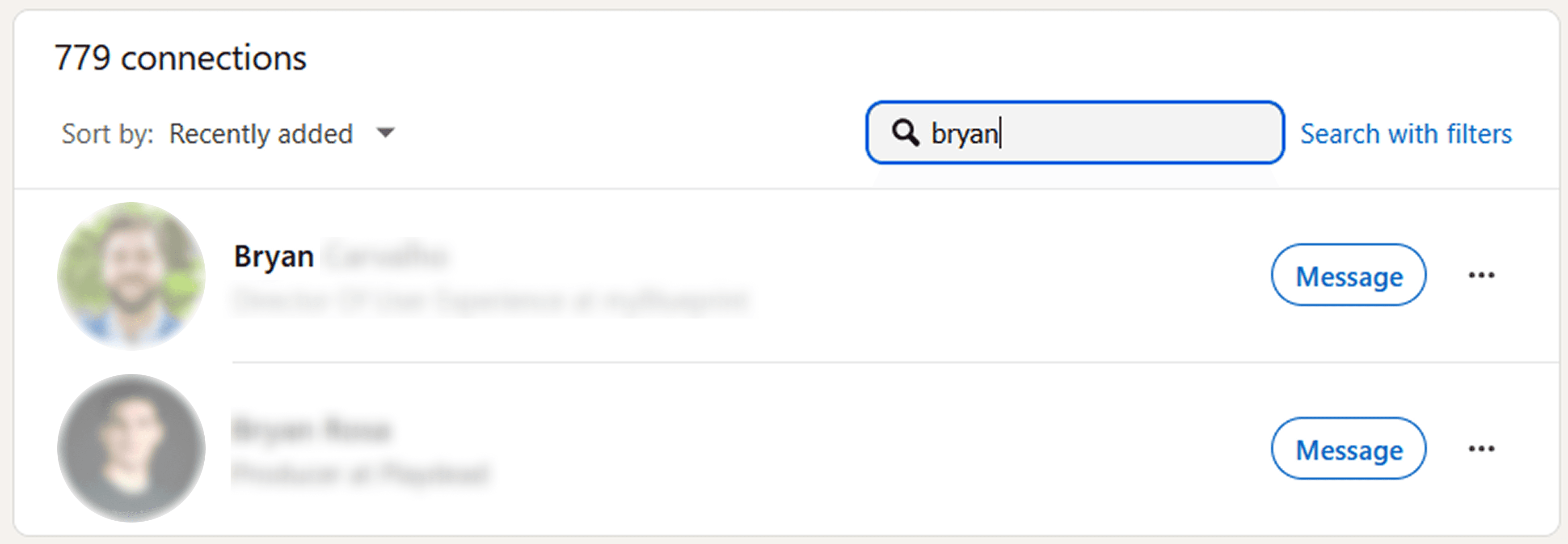
Circa June 2024 - I connected with Bryan..
Step 2
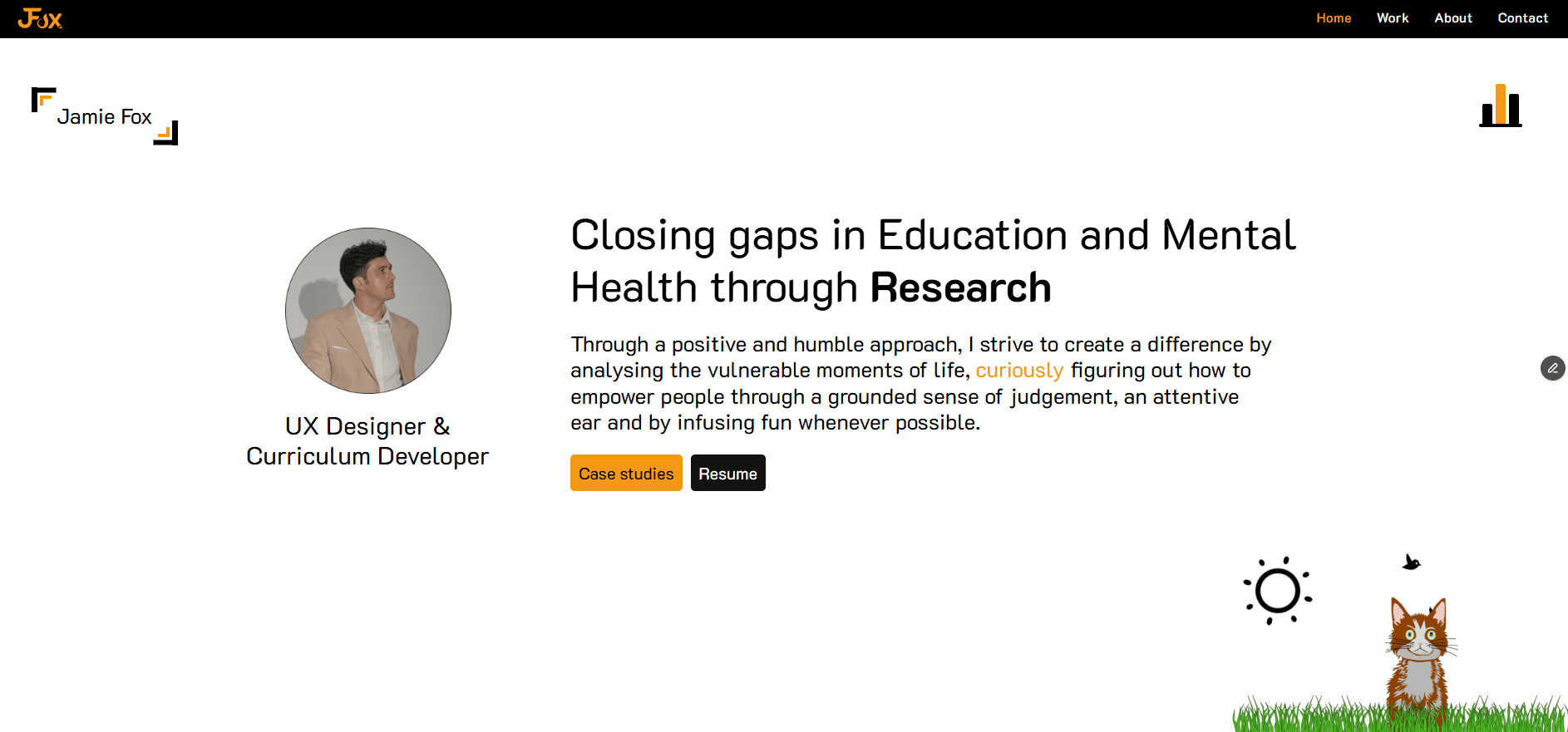
Sep 2024 to Dec 2025 - I continued building my portfolio.. life is busy okay
Step 3
10th of Feb 2026 - I circled back to Bryan..
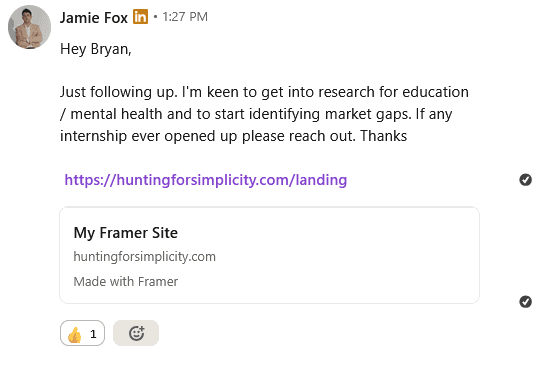
I received the dreaded thumb. Joking, but in all honesty, I know that he can't do much for me so I started thinking of different ideas to get noticed.
Step 4
16th of Feb 2026 - I searched through the myBlueprint website.
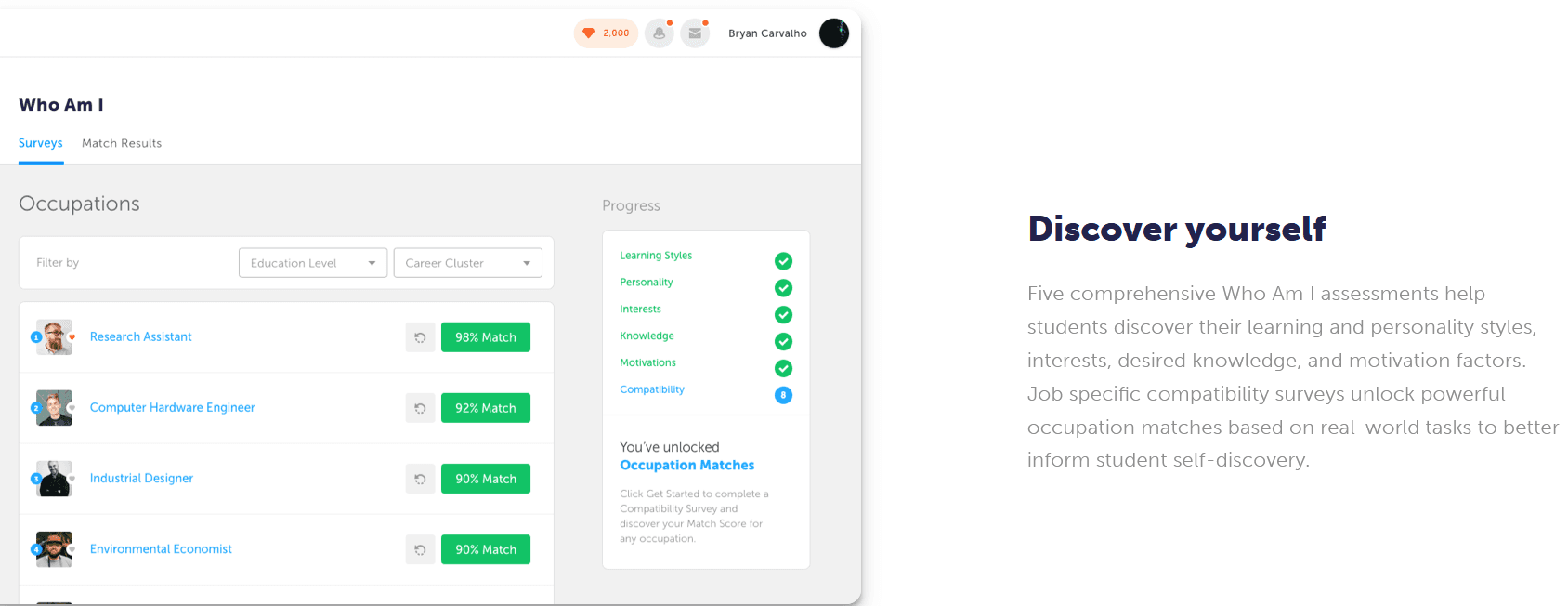
I think the Discover yourself section is a useful tool that allows learners to have an idea of what career path they want to follow. But as this platform is for K-12, surveys could be too complicated for the younger classes to participate in.. I needed to think about this for a bit.
Step 5
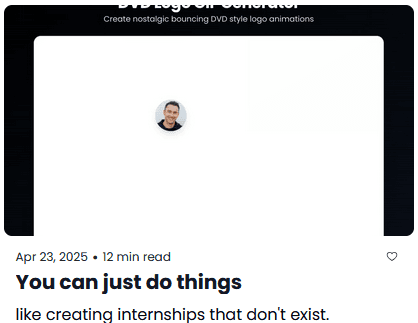
16th of Feb 2026 - I thought I would do more networking and discovery within myBlueprint. I came across Damian M's newsletter and I read the article "You can just do things"
Step 6
16th of Feb 2026 - I was inspired by two things from Damian's newsletter to begin creating this case study.
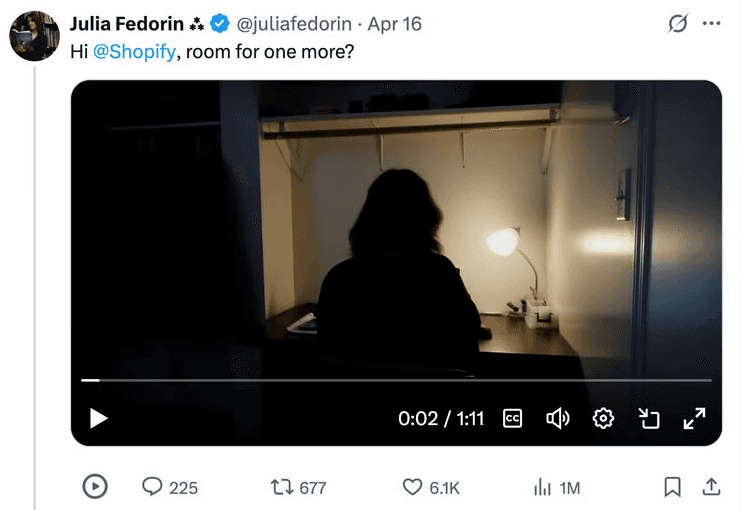
He shared a story about Julia's public job search. After reading it, I felt I needed to be more bold with my approach.
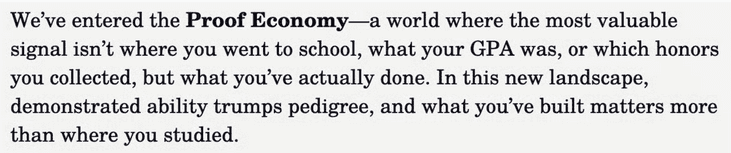
Damian mentioned how we have moved into the world of the proof economy. So I want this work to be my proof that I put in an effort of getting noticed by myBlueprint. If successful or not, I will take this approach with me, improve it, and eventually get into a position that I want.
Step 7
16th of Feb 2026 - A possible addition I'd make to the myBlueprint platform is that I'd introduce exploring career aspirations through A/B preference testing.
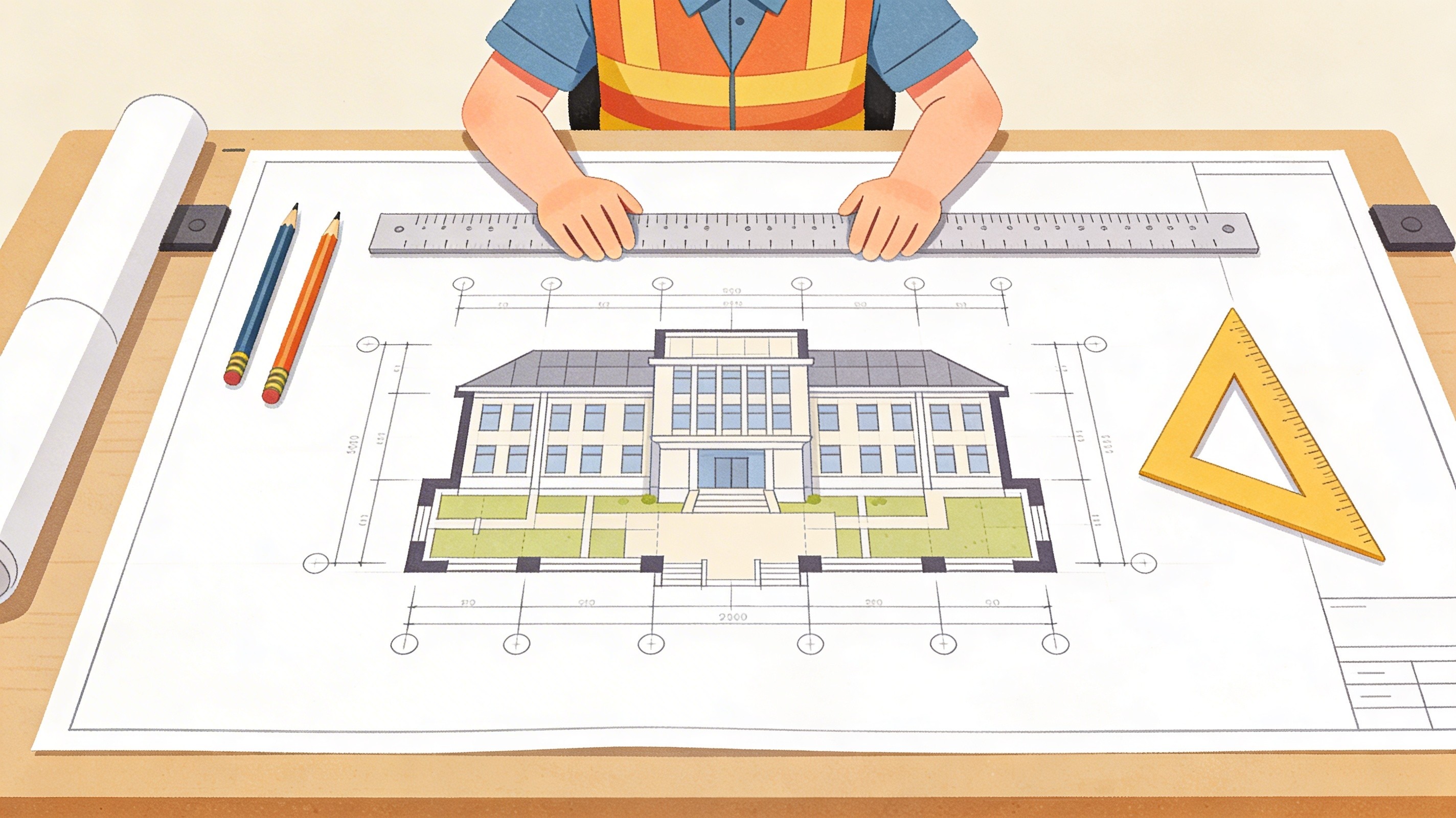
This would be aimed at 9-14 year olds, where it would be easier for them to choose pictures that they like over text-heavy surveys (whether text heavy or not, younger age groups would believe so).
Vs
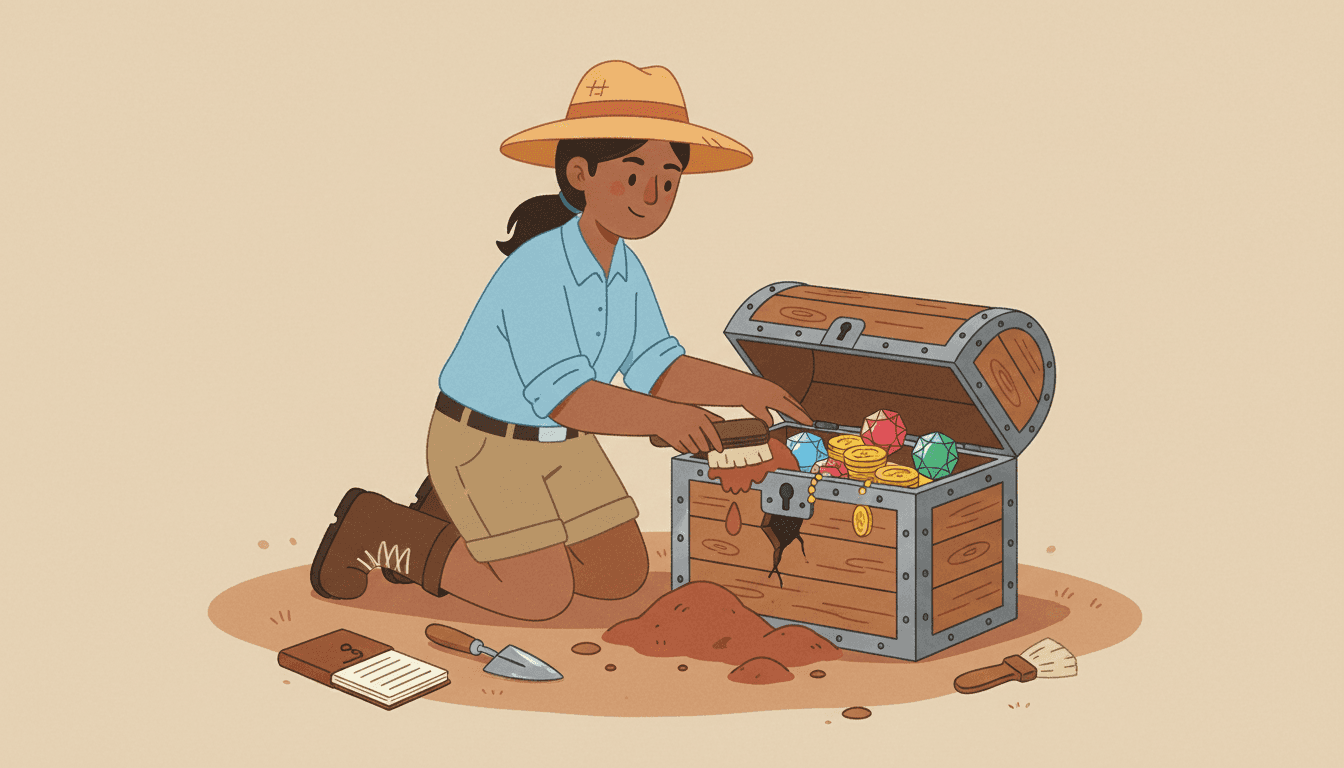
As a picture paints a thousand words, so could the data which could be extracted from the A/B preference testing. This information could help parents guide their kids towards certain subjects and it could influence the content to be taught by a teacher in the classroom.
Step 8
16th of Feb 2026 - I quickly did some research on the limitations of surveys for younger students, although I did have prior knowledge of this topic.
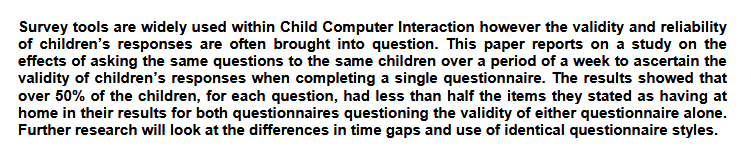
Whilst I didn't get into the thick of it, there was still evidence that backed up that kids aren't the most reliable when it comes to written surveys.
https://pdfs.semanticscholar.org/17d4/cda0bf876a57d55f41414e39acc432f81c44.pdf
Apart from more accurate data being able to be extracted from A?B preference testing, the younger kids would also find that learning material to be more enjoyable, a win win.
Step 9
17th of Feb 2026 - Another possible addition I'd make to the myBlueprint platform is that I would embed challenges, puzzles and exercises into the learning content of the classroom, which would then act as a guide for the learners.
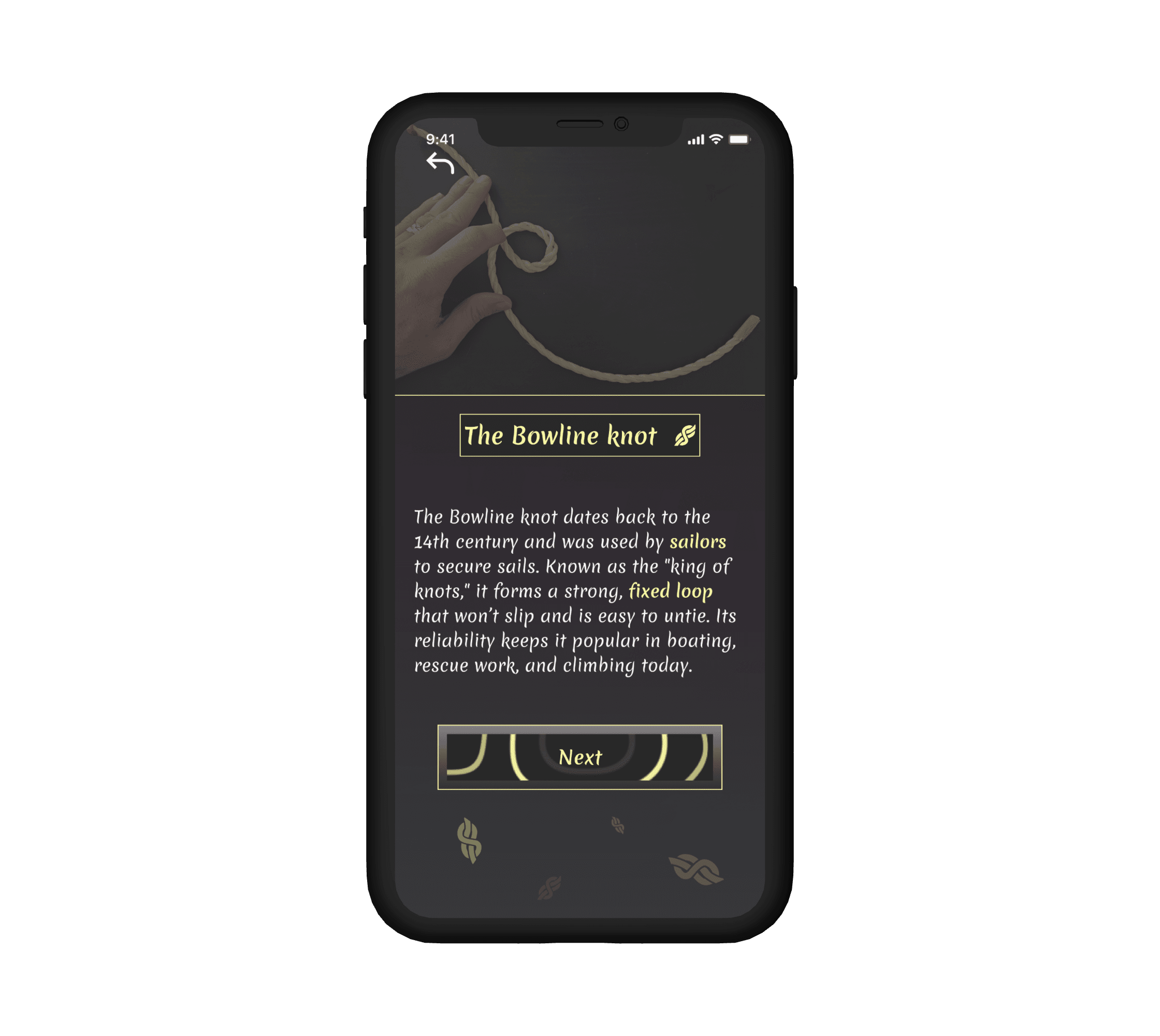
Challenge : to tie a knot
From looking at the my Blueprint platform, I feel there is a decent bit of ownership on the students to discover what interests them, i.e., going to their parent's workplace for a day or else uploading a recording of their school presentation.
To slightly flip this approach, more learning challenges could be put in place to help students discover what type of career they'd be interested in, based on their strengths.
Although surveys offer valuable information, written responses could portray what the students think they are good at or interested in, instead of realizing what they are actually good at from completing tasks.
Step 10
17th of Feb 2026 - I again quickly did some research on whether specific tasks, challenges or puzzles can reveal student strengths that indirectly correlate with career suitability.

https://pmc.ncbi.nlm.nih.gov/articles/PMC3207546/
With specific focus to the example of a student's ability to tie a knot, one can see how this skill could be useful in a profession where one is expected to use their hands in a technically, complex environment, pointing to surgeons, biomedical engineers or game designers prototyping tactile interfaces.
Important to note: While no single task guarantees a career fit, patterns from multiple tests guide students toward aligned paths.
Conclusion
I put this case study together quickly in a few hours. Not a huge amount of research was done, and admittedly, it is not the most impressive. However, there is value to be gained from it.
It showcases a bit of storytelling and displays how I'm willing to put myself out there to reach my goals. This helps to show you my enthusiasm.
The suggestions in steps 7 and 9 explore indirect ways to gather student insights, complementing rather than replacing direct input methods. These ideas show how I could bring value to the myBlueprint team.
Overall, I enjoyed the challenge of putting myself out there by completing this case study, my first of its kind. I plan to document my journey and refine my approach with each future attempt at getting noticed by a company that I admire. Thanks for your time.